

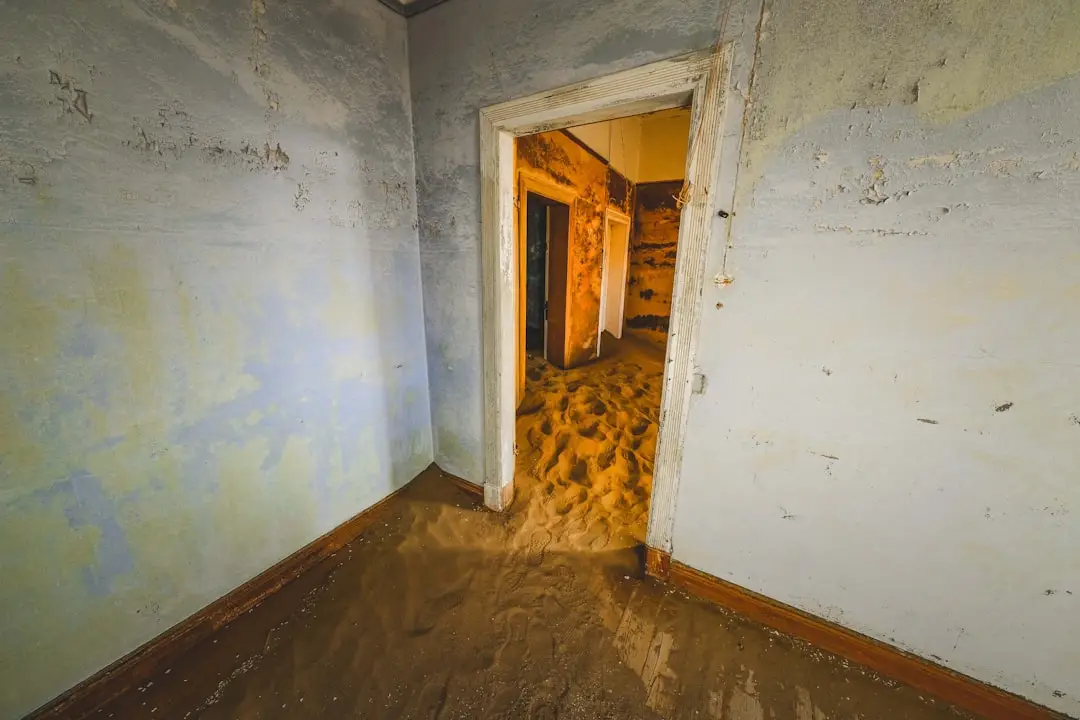
Living in Portland, Oregon, you may have noticed that the lush greenery and beautiful landscapes come with a downside: the potential for basement mold. This issue is particularly prevalent in areas with high humidity and frequent rainfall, which are characteristic of the Pacific Northwest. As a homeowner, understanding the implications of basement mold is crucial for maintaining a healthy living environment.
Mold can not only damage your property but also pose serious health risks to you and your family. In this article, you will explore the signs and symptoms of basement mold, its common causes, and the health risks associated with it.
By arming yourself with this knowledge, you can take proactive steps to protect your home and loved ones from the dangers of mold.
Key Takeaways
- Basement mold is a common issue in Portland, Oregon due to its damp climate and older homes with basements.
- Signs of basement mold include musty odors, visible mold growth, and water stains on walls or ceilings.
- Common causes of basement mold in Portland include poor ventilation, water leaks, and high humidity levels.
- Health risks associated with basement mold include respiratory issues, allergies, and skin irritation.
- Professional basement mold removal is important to ensure thorough and safe removal of mold spores.
Signs and Symptoms of Basement Mold
Recognizing the signs of basement mold is the first step in addressing the problem. You might notice a musty odor emanating from your basement, which is often one of the earliest indicators of mold growth. This smell can be quite persistent and may even seep into other areas of your home, making it difficult to ignore.
Additionally, you may observe visible patches of mold on walls, ceilings, or floors. These patches can vary in color, ranging from black to green or even white, depending on the type of mold present. Another symptom to watch for is the presence of water stains or discoloration on surfaces.
If you see these signs, it’s essential to investigate further, as they often indicate moisture issues that can lead to mold growth. You might also experience health-related symptoms such as sneezing, coughing, or skin irritation when spending time in your basement. These reactions can be exacerbated by prolonged exposure to mold spores, making it vital to address any mold issues as soon as they arise.
Common Causes of Basement Mold in Portland
In Portland, several factors contribute to the prevalence of basement mold. One of the primary causes is the region’s high humidity levels, especially during the rainy season. When moisture accumulates in your basement due to poor ventilation or leaks, it creates an ideal environment for mold spores to thrive.
You may find that even minor water intrusion from heavy rains or melting snow can lead to significant mold growth if not addressed promptly. Another common cause is inadequate insulation and sealing in your basement. If your basement walls are not properly insulated, cold surfaces can lead to condensation when warm air comes into contact with them.
Additionally, plumbing leaks or faulty drainage systems can introduce water into your basement, further exacerbating the problem. Understanding these causes will help you take preventive measures to protect your home.
Health Risks Associated with Basement Mold
The health risks associated with basement mold are a significant concern for homeowners like you. Exposure to mold can lead to a variety of respiratory issues, including asthma attacks and allergic reactions. If you or a family member has pre-existing conditions such as asthma or allergies, the presence of mold in your home can worsen these symptoms and lead to more severe health complications.
Moreover, some types of mold produce mycotoxins that can be harmful when inhaled or touched. Symptoms of exposure may include headaches, fatigue, and even neurological issues in extreme cases. It’s essential to recognize that children, the elderly, and individuals with compromised immune systems are particularly vulnerable to these health risks.
By addressing mold issues promptly and effectively, you can safeguard your family’s health and well-being.
Importance of Professional Basement Mold Removal
While DIY methods may seem appealing for tackling basement mold, professional removal is often the safest and most effective option. Trained professionals have the expertise and equipment necessary to identify the extent of the mold problem accurately. They can assess hidden areas where mold may be lurking and ensure that all traces are removed effectively.
Additionally, professionals understand the importance of addressing the underlying causes of mold growth. They will not only remove existing mold but also implement strategies to prevent future occurrences. This comprehensive approach ensures that your home remains safe and healthy in the long run.
By investing in professional services, you can have peace of mind knowing that your home is in capable hands.
DIY Methods for Basement Mold Removal
If you’re considering tackling basement mold on your own, there are several DIY methods you can employ. One common approach is using a mixture of water and vinegar or bleach to clean affected surfaces. Vinegar is a natural disinfectant that can kill many types of mold without releasing harmful fumes.
However, if you opt for bleach, be cautious; it can produce toxic fumes when mixed with other cleaning agents. Before starting any DIY project, ensure you wear protective gear such as gloves and a mask to avoid inhaling spores or coming into contact with harmful substances. It’s also crucial to ventilate the area by opening windows or using fans to circulate air while you work.
While these methods can be effective for small areas of mold growth, remember that extensive infestations may require professional intervention.
The Role of Humidity and Moisture Control in Preventing Basement Mold
Controlling humidity and moisture levels in your basement is vital for preventing mold growth. Ideally, indoor humidity should be kept between 30% and 50%. You can achieve this by using dehumidifiers or air conditioning units during humid months.
Regularly checking for leaks in plumbing and ensuring proper drainage around your home will also help keep moisture levels in check. Additionally, consider improving ventilation in your basement by installing vents or exhaust fans. This will allow fresh air to circulate and reduce humidity levels effectively.
By taking these proactive measures, you can create an environment that is less conducive to mold growth and protect your home from potential damage.
The Impact of Portland’s Climate on Basement Mold Growth
Portland’s unique climate plays a significant role in the prevalence of basement mold issues. With its wet winters and mild summers, the region experiences high humidity levels throughout much of the year. This moisture-laden environment creates ideal conditions for mold spores to thrive, especially in poorly ventilated basements.
Furthermore, heavy rainfall during winter months can lead to water intrusion in basements if proper drainage systems are not in place. As a homeowner in Portland, it’s essential to be aware of these climatic factors and take proactive steps to mitigate their impact on your property. Regular inspections and maintenance can go a long way in preventing mold growth caused by environmental conditions.
The Legal and Insurance Implications of Basement Mold
When it comes to basement mold, there are legal and insurance implications that every homeowner should consider. Many insurance policies cover damage caused by mold; however, coverage often depends on the source of moisture that led to the growth. For instance, if mold develops due to a plumbing leak that was not addressed promptly, your insurance company may deny your claim.
Additionally, if you plan to sell your home in the future, disclosing any history of mold issues is crucial. Failing to do so could lead to legal repercussions down the line if buyers discover problems after purchase. Understanding these implications will help you navigate potential challenges related to basement mold effectively.
Finding the Right Basement Mold Removal Company in Portland
When searching for a reliable basement mold removal company in Portland, it’s essential to do your research thoroughly. Start by asking for recommendations from friends or family who have dealt with similar issues. Online reviews and testimonials can also provide valuable insights into a company’s reputation and effectiveness.
Once you have a shortlist of potential companies, inquire about their certifications and experience in dealing with mold removal specifically. A reputable company should be able to provide references and demonstrate their expertise in handling various types of mold infestations. By choosing a qualified professional, you can ensure that your basement is treated effectively and safely.
Tips for Preventing Future Basement Mold Issues
Preventing future basement mold issues requires ongoing vigilance and maintenance on your part as a homeowner. Start by regularly inspecting your basement for signs of moisture or leaks and addressing any issues immediately. Keeping gutters clean and ensuring proper drainage around your home will help divert water away from your foundation.
Additionally, consider investing in moisture barriers or waterproofing solutions for your basement walls and floors. These measures can significantly reduce the risk of water intrusion and create an inhospitable environment for mold growth. By staying proactive about maintenance and monitoring humidity levels, you can protect your home from the dangers associated with basement mold.
In conclusion, understanding basement mold is essential for homeowners in Portland, Oregon. By recognizing signs and symptoms, knowing common causes, and being aware of health risks associated with mold exposure, you can take informed steps toward prevention and remediation. Whether you choose professional services or opt for DIY methods, staying vigilant about moisture control will help keep your home safe and healthy for years to come.
FAQs
What are common problems that require basement mold removal in Portland, Oregon?
Some common problems that require basement mold removal in Portland, Oregon include water damage from flooding or leaks, high humidity levels, poor ventilation, and lack of proper insulation.
Why is basement mold removal important in Portland, Oregon?
Basement mold removal is important in Portland, Oregon because mold can cause health issues such as allergies, respiratory problems, and other health concerns. Additionally, mold can cause damage to the structure of the home if left untreated.
How can I tell if I have mold in my basement in Portland, Oregon?
Signs of mold in a basement in Portland, Oregon include a musty odor, visible mold growth on walls or ceilings, water stains, and an increase in allergy symptoms or respiratory issues among occupants of the home.
What are the steps involved in basement mold removal in Portland, Oregon?
The steps involved in basement mold removal in Portland, Oregon typically include identifying the source of the moisture, containing the affected area, removing the mold, cleaning and disinfecting the area, and addressing any underlying issues such as water damage or poor ventilation.
Can I remove basement mold in Portland, Oregon on my own?
While it is possible to remove small amounts of mold on your own, it is recommended to hire a professional mold removal service for larger or more severe cases of basement mold in Portland, Oregon. Professional services have the expertise and equipment to safely and effectively remove mold.
Leave a Reply
You must be logged in to post a comment.
