

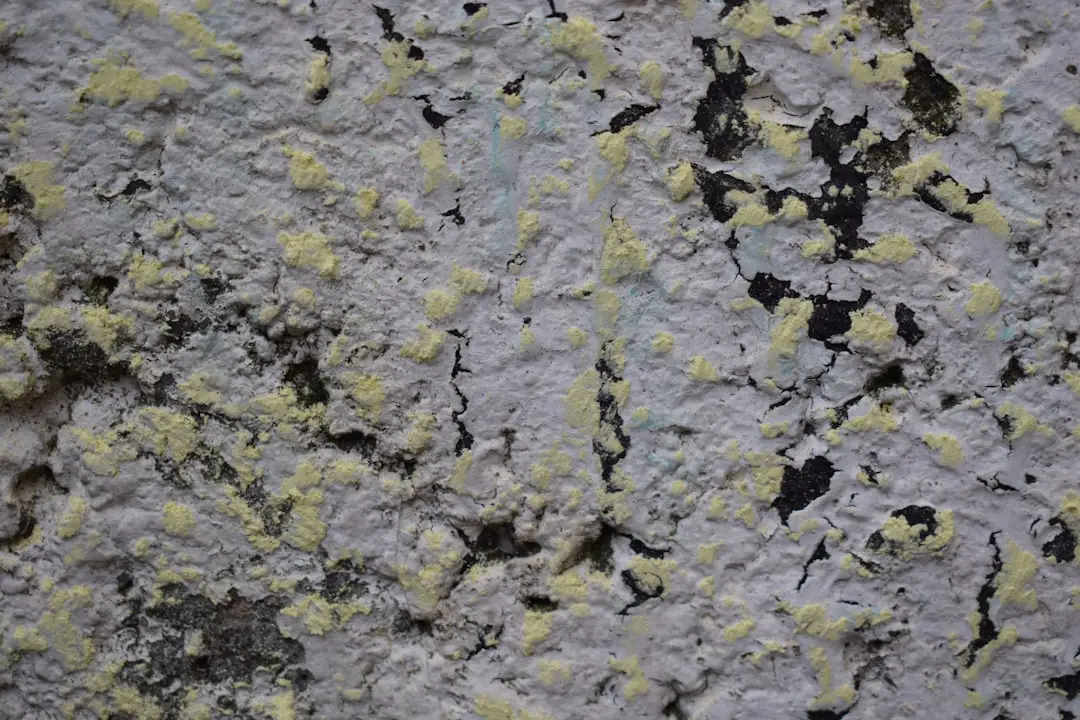
Chaetomium mold is a type of fungus that thrives in damp environments, often found in decaying organic matter. You may encounter this mold in areas where moisture is prevalent, such as basements, bathrooms, and around leaky pipes. Characterized by its dark, olive-green to black appearance, Chaetomium can be easily mistaken for other types of mold.
However, its unique structure and growth patterns set it apart. Understanding the biology of Chaetomium is crucial for recognizing its potential impact on your living space and health. This mold reproduces through spores, which can become airborne and spread rapidly throughout your home.
When conditions are right—specifically, when there is a consistent source of moisture—Chaetomium can proliferate quickly. It is essential to be aware of the conditions that foster its growth, as this knowledge can help you take proactive measures to prevent an infestation. By understanding Chaetomium mold, you can better equip yourself to identify and address any issues before they escalate.
Key Takeaways
- Chaetomium mold is a type of fungus commonly found in water-damaged buildings and can cause health issues.
- Signs of Chaetomium mold infestation include a musty odor, water stains, and visible mold growth.
- Health risks associated with Chaetomium mold exposure include respiratory issues, skin irritation, and allergic reactions.
- Common areas for Chaetomium mold growth include basements, attics, crawl spaces, and areas with water leaks or flooding.
- Professional Chaetomium mold removal is important to ensure thorough and safe removal of the mold.
Signs of Chaetomium Mold Infestation
Recognizing the signs of a Chaetomium mold infestation is vital for maintaining a healthy living environment. One of the most apparent indicators is the presence of dark patches on walls, ceilings, or other surfaces. If you notice a musty odor accompanying these patches, it could be a strong indication that Chaetomium is present.
This odor often arises from the mold’s metabolic processes and can be quite pungent, making it difficult to ignore. In addition to visual and olfactory signs, you may also experience physical symptoms if you are exposed to Chaetomium mold. These can include respiratory issues, skin irritation, and allergic reactions.
If you or your family members begin to experience unexplained health problems, it may be worth investigating the possibility of mold growth in your home. Being vigilant about these signs can help you catch an infestation early and take appropriate action.
Health Risks Associated with Chaetomium Mold
The health risks associated with Chaetomium mold are significant and should not be taken lightly. Exposure to this mold can lead to various respiratory issues, particularly for individuals with pre-existing conditions such as asthma or allergies. Symptoms may include coughing, wheezing, and difficulty breathing.
If you find yourself experiencing these symptoms more frequently while at home, it may be time to investigate the possibility of mold growth. In addition to respiratory problems, Chaetomium mold can also cause skin irritations and allergic reactions. You might notice rashes or other skin issues if you come into direct contact with the mold or its spores.
Understanding these risks emphasizes the importance of addressing any mold issues promptly and effectively.
Identifying Common Areas for Chaetomium Mold Growth
To effectively combat Chaetomium mold, it is essential to identify the common areas where it tends to thrive. Typically, this mold flourishes in damp and humid environments. You should pay close attention to areas such as basements, crawl spaces, and bathrooms—places where moisture tends to accumulate.
If you have experienced water damage or leaks in your home, these areas are particularly susceptible to mold growth. Another common area for Chaetomium mold is around plumbing fixtures and appliances that use water. Check under sinks, behind washing machines, and around water heaters for any signs of moisture or mold growth.
Additionally, attics can also be a breeding ground for this type of mold if they are not properly ventilated.
Importance of Professional Chaetomium Mold Removal
When it comes to dealing with Chaetomium mold infestations, professional removal services are often the best course of action. While you may be tempted to tackle the problem yourself, professionals have the training and equipment necessary to handle mold safely and effectively. They understand the complexities of mold removal and can ensure that all spores are eliminated from your home.
Moreover, professional services often include thorough inspections to identify the source of moisture that allowed the mold to thrive in the first place. This step is crucial for preventing future infestations. By hiring experts, you not only address the immediate problem but also gain valuable insights into maintaining a healthy living environment moving forward.
DIY Chaetomium Mold Removal Risks
While DIY methods for removing Chaetomium mold may seem appealing due to their cost-effectiveness, they come with significant risks. One of the primary concerns is that without proper training and equipment, you may inadvertently spread mold spores throughout your home during the removal process. This can lead to a more extensive infestation that is harder to control.
Additionally, many DIY methods do not adequately address the underlying moisture issues that contribute to mold growth. If you simply remove visible mold without fixing leaks or improving ventilation, you are likely to face recurring problems in the future. Furthermore, exposure to Chaetomium mold during DIY removal can pose health risks, especially for individuals with respiratory issues or weakened immune systems.
It’s essential to weigh these risks carefully before deciding on a DIY approach.
Finding the Right Chaetomium Mold Removal Service in Portland
When searching for a reliable Chaetomium mold removal service in Portland, there are several factors to consider. Start by researching local companies that specialize in mold remediation. Look for reviews and testimonials from previous clients to gauge their effectiveness and professionalism.
A reputable service will have a track record of successfully addressing similar issues in homes like yours. Additionally, ensure that the company you choose is licensed and insured. This not only protects you but also indicates that they adhere to industry standards and regulations.
Don’t hesitate to ask potential contractors about their methods for identifying and removing mold, as well as their approach to preventing future growth. By taking the time to find the right service, you can ensure a thorough and effective resolution to your Chaetomium mold problem.
Steps for Effective Chaetomium Mold Removal
Effective Chaetomium mold removal involves several critical steps that should be followed meticulously. First and foremost, it’s essential to identify and eliminate the source of moisture that allowed the mold to grow in the first place. This may involve repairing leaks or improving ventilation in affected areas.
Without addressing these underlying issues, any removal efforts will likely be temporary. Once the moisture source has been dealt with, the next step is containment. This involves sealing off affected areas to prevent spores from spreading during the removal process.
Professionals often use plastic sheeting and negative air pressure systems to achieve this effectively. After containment is established, thorough cleaning and removal of contaminated materials can take place. This may include scrubbing surfaces with specialized cleaning agents or removing drywall or insulation that has been heavily infested.
Preventing Chaetomium Mold Re-Growth
Preventing re-growth of Chaetomium mold requires ongoing vigilance and maintenance in your home. One of the most effective strategies is to control humidity levels throughout your living space. You should aim to keep indoor humidity below 50% by using dehumidifiers in damp areas like basements or bathrooms.
Regularly checking for leaks and promptly addressing any water damage is also crucial in preventing future infestations. Additionally, ensure proper ventilation in areas prone to moisture accumulation. Installing exhaust fans in bathrooms and kitchens can help reduce humidity levels significantly.
Regularly inspecting your home for signs of water damage or mold growth will allow you to catch potential problems early on. By implementing these preventive measures, you can create an environment that is less conducive to Chaetomium mold growth.
Environmental Impact of Chaetomium Mold
The environmental impact of Chaetomium mold extends beyond just your home; it can affect broader ecosystems as well. As a decomposer, this type of mold plays a role in breaking down organic matter in nature; however, when it proliferates indoors, it can disrupt indoor air quality and contribute to health issues for inhabitants. The spores released into the air can travel beyond your immediate environment, potentially affecting neighbors or nearby structures.
Moreover, excessive moisture that fosters mold growth can lead to structural damage in buildings over time. This not only poses risks for human health but also contributes to increased waste when materials need replacing due to decay caused by mold infestations. Understanding these environmental implications underscores the importance of addressing Chaetomium mold issues promptly and effectively.
Legal Requirements for Chaetomium Mold Removal in Portland
In Portland, there are specific legal requirements regarding mold removal that homeowners should be aware of. While there is no statewide law mandating disclosure of mold issues during real estate transactions, local regulations may require landlords to address known infestations promptly. If you are renting a property and suspect a Chaetomium mold problem, it’s essential to communicate with your landlord about your concerns.
Additionally, if you are planning significant renovations or repairs due to a mold issue, it’s advisable to consult local building codes and regulations regarding safety standards for remediation work. Ensuring compliance with these legal requirements not only protects your health but also helps maintain property values within your community. By staying informed about local laws related to mold removal, you can navigate any necessary actions more effectively.
In conclusion, understanding Chaetomium mold is crucial for maintaining a healthy living environment. By recognizing signs of infestation and being aware of health risks associated with this type of mold, you can take proactive measures to protect yourself and your home. Whether you choose professional services or consider DIY methods for removal, being informed about effective strategies will empower you in your fight against this pervasive fungus.
FAQs
What is Chaetomium mold?
Chaetomium mold is a type of fungus that can be found indoors and outdoors. It typically appears as a cotton-like or woolly texture and is usually found in water-damaged areas such as basements, crawl spaces, and areas with high humidity.
What are the common problems requiring Chaetomium mold removal in Portland, Oregon?
Common problems requiring Chaetomium mold removal in Portland, Oregon include water damage from flooding, leaks, or high humidity, as well as poor ventilation and inadequate moisture control in buildings.
Why is Chaetomium mold removal important?
Chaetomium mold removal is important because exposure to Chaetomium mold can cause health issues such as allergies, respiratory problems, and skin irritation. Additionally, Chaetomium mold can cause structural damage to buildings if left untreated.
How can I identify Chaetomium mold in my home or building?
Chaetomium mold can be identified by its cotton-like or woolly texture and its color, which can range from white to gray to brown to black. It is often found in areas with water damage or high humidity, such as basements, crawl spaces, and bathrooms.
What are the steps involved in Chaetomium mold removal?
The steps involved in Chaetomium mold removal typically include identifying and addressing the source of moisture, containing the affected area, removing and disposing of contaminated materials, cleaning and disinfecting the area, and restoring the affected area to its pre-mold condition.
Can I remove Chaetomium mold myself, or do I need professional help?
Chaetomium mold removal is best left to professionals, as they have the expertise, equipment, and protective gear necessary to safely and effectively remove the mold. Attempting to remove Chaetomium mold without the proper knowledge and equipment can result in exposure to harmful mold spores and incomplete removal of the mold.
Leave a Reply
You must be logged in to post a comment.
