

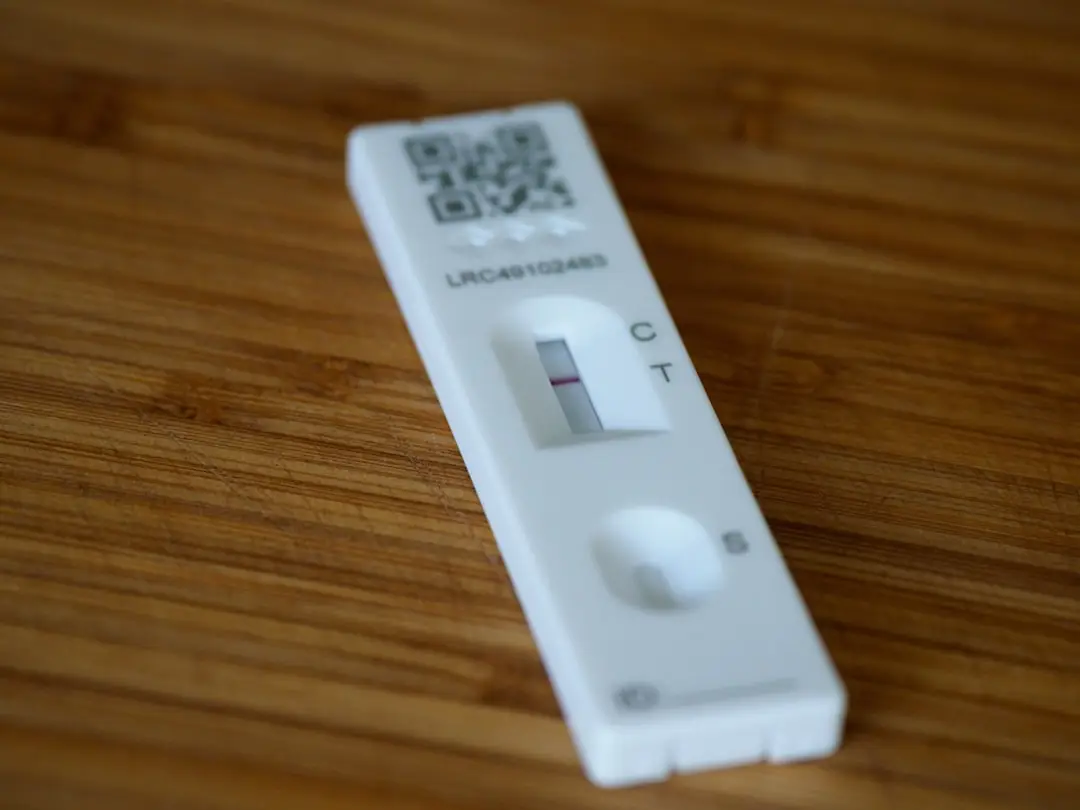
Indoor air quality (IAQ) is a critical aspect of your living environment that often goes unnoticed. You may not realize that the air you breathe indoors can be significantly more polluted than outdoor air, primarily due to various contaminants such as mold, dust, and volatile organic compounds (VOCs). As you spend a considerable amount of time indoors—whether at home, in the office, or in other enclosed spaces—understanding and maintaining good indoor air quality becomes essential for your health and well-being.
Indoor air quality testing is a proactive approach to identifying potential hazards in your environment, allowing you to take necessary actions to improve the air you breathe. Testing for indoor air quality can reveal hidden problems that may not be immediately apparent. You might be surprised to learn that common household items, such as cleaning products, paints, and even furniture, can release harmful substances into the air.
By conducting thorough IAQ testing, you can gain insights into the specific pollutants present in your space and their potential impact on your health. This knowledge empowers you to make informed decisions about improving your indoor environment, ensuring that you and your loved ones can breathe easier and live healthier lives.
Key Takeaways
- Indoor air quality testing is crucial for identifying potential health hazards in indoor environments.
- ERMI, EMMA, and spore trap testing are common methods used to assess indoor air quality and identify mold and fungal allergens.
- Portland, Oregon has specific mold and fungal allergen issues that require attention and testing for prevention and mitigation.
- Health problems associated with indoor mold exposure include respiratory issues, allergies, and other serious health concerns.
- Identifying water damage and mold growth in buildings is essential for preventing further indoor air quality issues and health risks.
Understanding ERMI, EMMA, and Spore Trap Testing
When it comes to assessing indoor air quality, particularly concerning mold and fungal allergens, several testing methods are available. Among these, the Environmental Relative Moldiness Index (ERMI), the Environmental Mold Management Assessment (EMMA), and spore trap testing are widely recognized for their effectiveness. Each method has its unique approach and benefits, allowing you to choose the one that best suits your needs.
ERMI testing is a quantitative analysis that measures the presence of specific mold species in your indoor environment. This method provides a comprehensive overview of mold levels and can help identify potential health risks associated with mold exposure. On the other hand, EMMA focuses on evaluating the overall mold burden in a space by analyzing both viable and non-viable spores.
Spore trap testing, meanwhile, involves collecting airborne spores using a specialized device that captures particles on a sticky surface. This method is particularly useful for identifying the types of mold present in your environment and determining their concentrations.
Mold and Fungal Allergens in Portland, Oregon
Portland, Oregon, with its temperate climate and abundant rainfall, creates an ideal environment for mold growth. If you live in this region, you may be particularly susceptible to mold-related issues due to the high humidity levels and frequent moisture exposure. Mold spores can easily become airborne and infiltrate your indoor spaces, leading to potential health risks for you and your family.
Understanding the types of mold prevalent in Portland is crucial for managing indoor air quality effectively. Common molds found in Portland include Cladosporium, Aspergillus, and Penicillium. These molds can produce allergens that trigger respiratory issues, allergic reactions, and other health problems.
If you notice symptoms such as sneezing, coughing, or skin irritations, it may be time to consider testing your indoor air quality for mold and fungal allergens. By being proactive about identifying these allergens in your home or workplace, you can take steps to mitigate their impact on your health.
Common Health Problems Associated with Indoor Mold Exposure
Exposure to indoor mold can lead to a variety of health problems that may affect you and your family members. The symptoms can range from mild allergic reactions to more severe respiratory issues, depending on individual sensitivities and the extent of exposure. If you have pre-existing conditions such as asthma or allergies, you may be particularly vulnerable to the effects of mold exposure.
Common health problems associated with indoor mold include nasal congestion, throat irritation, coughing, wheezing, and skin rashes. In some cases, prolonged exposure can lead to more serious conditions such as chronic sinusitis or respiratory infections. Additionally, certain molds produce mycotoxins that can have toxic effects on the body when inhaled or ingested.
Being aware of these potential health risks is essential for taking appropriate action to protect yourself and your loved ones from the harmful effects of indoor mold.
Identifying Water Damage and Mold Growth in Buildings
To effectively manage indoor air quality and prevent mold growth, it is crucial to identify water damage in buildings promptly. Water intrusion can occur due to various factors such as leaks from plumbing systems, roof damage, or flooding. If you notice signs of water damage—such as discoloration on walls or ceilings, peeling paint, or a musty odor—it’s essential to investigate further.
Mold thrives in damp environments, so addressing any water damage quickly is vital to preventing mold growth. You should regularly inspect areas prone to moisture accumulation, such as bathrooms, kitchens, basements, and around windows. If you discover any signs of mold growth or persistent moisture issues, it may be time to consult a professional for further assessment and remediation.
Taking these proactive steps can help ensure a healthier indoor environment for you and your family.
Importance of Indoor Air Quality Testing in Portland, Oregon
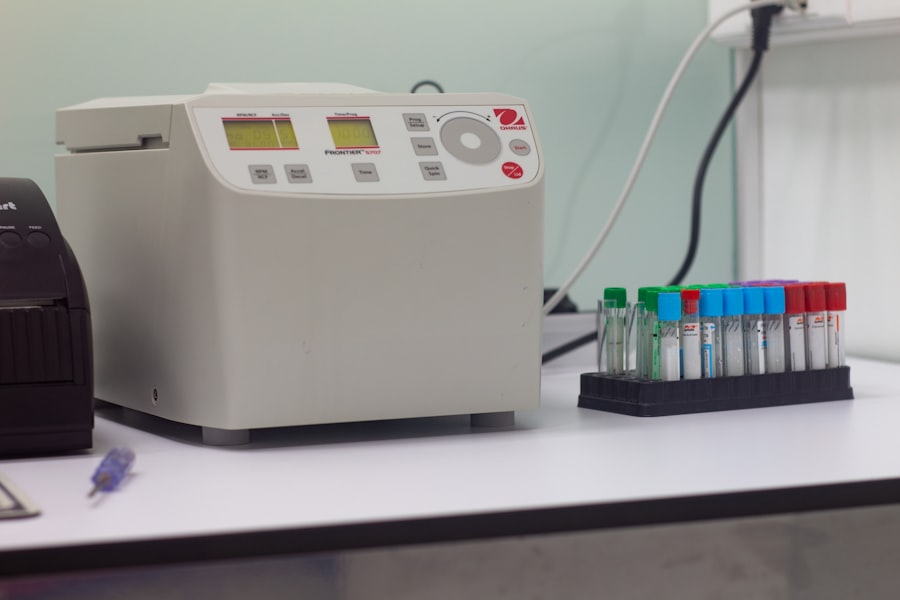
In Portland’s unique climate, where humidity levels can fluctuate significantly throughout the year, indoor air quality testing becomes even more critical. The presence of mold and other allergens can pose serious health risks if left unchecked. By investing in regular IAQ testing, you can gain valuable insights into the air quality within your home or workplace and take necessary actions to improve it.
Indoor air quality testing not only helps identify existing problems but also serves as a preventive measure against future issues. By understanding the specific contaminants present in your environment, you can implement targeted strategies for improvement—whether through ventilation upgrades, moisture control measures, or regular cleaning practices.
When to Consider ERMI, EMMA, and Spore Trap Testing
Knowing when to consider specific testing methods like ERMI, EMMA, or spore trap testing is crucial for effectively managing indoor air quality concerns. If you’ve experienced water damage or suspect mold growth in your home or workplace, it’s wise to conduct testing as soon as possible. Early detection can prevent further complications and protect your health.
If you’re experiencing unexplained health issues that may be related to mold exposure—such as persistent respiratory problems or allergic reactions—considering ERMI or EMMA testing could provide valuable insights into the specific types of mold present in your environment. Spore trap testing may also be beneficial if you’re looking for a quick assessment of airborne spores in your space. By understanding when to utilize these testing methods, you can take proactive steps toward improving your indoor air quality.
Benefits of Professional Indoor Air Quality Testing
While DIY testing kits are available on the market, opting for professional indoor air quality testing offers several advantages that can significantly enhance the accuracy and reliability of results. Professionals have access to advanced equipment and methodologies that provide a comprehensive analysis of your indoor environment. They are trained to identify potential sources of contamination and assess the overall air quality effectively.
Additionally, professional testers can interpret results accurately and provide tailored recommendations based on their findings. This expertise ensures that you receive actionable insights into improving your indoor air quality rather than just raw data that may be difficult to understand. By investing in professional testing services, you are taking a significant step toward safeguarding your health and creating a healthier living environment.
Choosing the Right Testing Method for Your Indoor Environment
Selecting the appropriate testing method for your indoor environment depends on various factors such as the specific concerns you have regarding air quality and the types of contaminants you suspect may be present. If you’re primarily concerned about mold levels due to previous water damage or visible growth, ERMI or EMMA testing may be ideal choices for comprehensive analysis. On the other hand, if you’re looking for a quick assessment of airborne spores without extensive analysis of specific species, spore trap testing could be more suitable for your needs.
It’s essential to consider factors such as cost, time constraints, and the level of detail required when choosing a testing method. Consulting with professionals who specialize in indoor air quality can help guide you toward making an informed decision that best addresses your unique situation.
Interpreting Test Results and Taking Action
Once you’ve conducted indoor air quality testing using methods like ERMI, EMMA, or spore trap testing, interpreting the results is crucial for understanding what they mean for your indoor environment. Test results typically provide information about the types and concentrations of contaminants present in your space. Understanding these results allows you to assess whether immediate action is necessary.
If test results indicate elevated levels of mold or other allergens that exceed recommended thresholds, it’s essential to take prompt action to address the issue. This may involve remediation efforts such as cleaning affected areas, improving ventilation systems, or implementing moisture control measures. Conversely, if results show acceptable levels of contaminants but you’re still experiencing symptoms related to poor air quality, further investigation may be warranted to identify other potential sources of pollution within your environment.
Preventing Future Mold and Fungal Allergen Issues in Portland, Oregon
Preventing future mold growth and fungal allergen issues requires ongoing vigilance and proactive measures tailored to Portland’s unique climate conditions. Regular maintenance practices such as inspecting for leaks or water damage should become part of your routine home care regimen. Additionally, ensuring proper ventilation in areas prone to moisture accumulation—like bathrooms and kitchens—can significantly reduce humidity levels that promote mold growth.
Implementing dehumidifiers in high-humidity areas can also help maintain optimal moisture levels within your home. Regular cleaning practices that include dusting surfaces and using HEPA filters in vacuum cleaners can further minimize allergen exposure. By adopting these preventive measures and remaining proactive about monitoring indoor air quality through periodic testing, you can create a healthier living environment free from the risks associated with mold and fungal allergens in Portland’s climate.
FAQs
What is ERMI testing?
ERMI stands for Environmental Relative Moldiness Index. It is a DNA-based method for quantifying mold species in indoor environments. ERMI testing can identify the presence of mold and assess the potential health risks associated with it.
What is EMMA testing?
EMMA stands for Environmental Mold and Mycotoxin Assessment. It is a test that measures the presence of mold and mycotoxins in indoor environments. EMMA testing can provide valuable information about the potential health hazards associated with mold exposure.
What is spore trap testing?
Spore trap testing is a method used to collect and analyze airborne mold spores in indoor environments. It can help identify the types and concentrations of mold spores present, which can be useful for assessing indoor air quality and potential health risks.
What are some common problems that require ERMI, EMMA, and spore trap testing in Portland, Oregon?
Common problems that may require these types of testing include water damage, musty odors, visible mold growth, unexplained health issues, and concerns about indoor air quality. These tests can help identify the presence of mold and assess the potential health risks associated with it.
How can ERMI, EMMA, and spore trap testing help in Portland, Oregon?
ERMI, EMMA, and spore trap testing can help identify the presence of mold, assess the types and concentrations of mold species and mycotoxins, and evaluate indoor air quality. This information can be valuable for addressing mold-related issues and potential health risks in indoor environments in Portland, Oregon.
Leave a Reply
You must be logged in to post a comment.
