

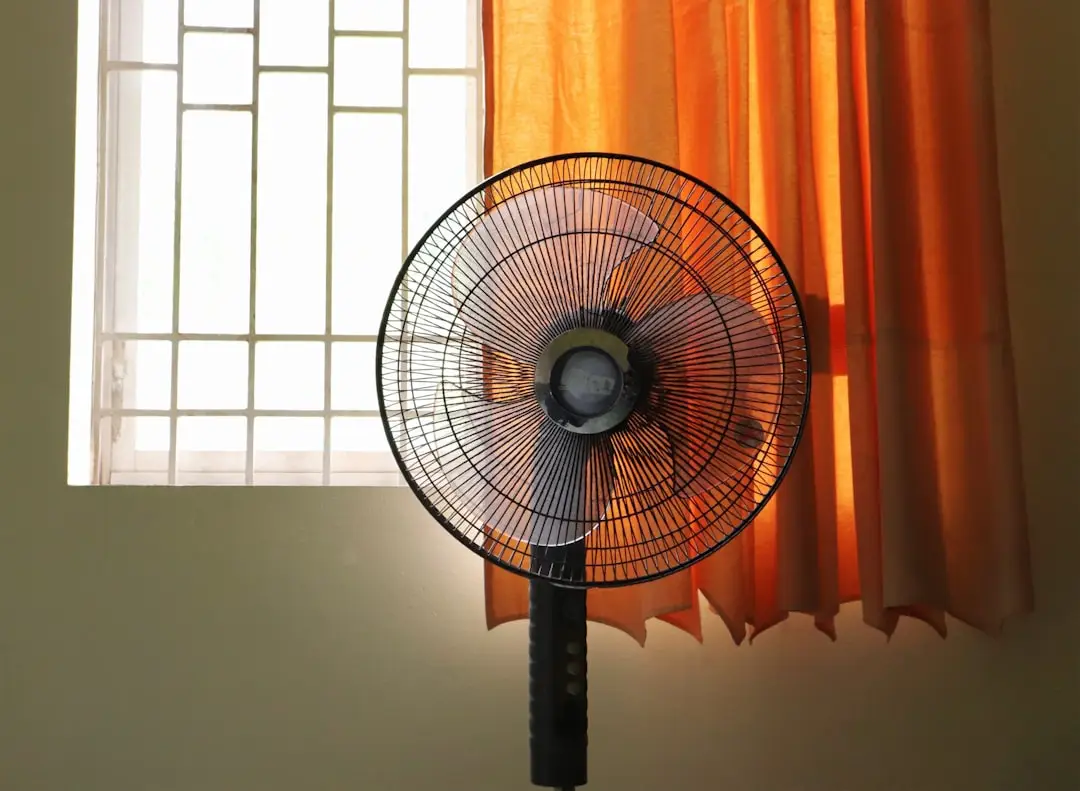
Negative air pressure is a crucial concept in various fields, particularly in environmental control and containment services. At its core, negative air pressure refers to a condition where the air pressure inside a space is lower than the air pressure outside that space. This difference in pressure creates a flow of air from the outside into the interior, effectively preventing contaminants from escaping into the surrounding environment.
You might encounter this phenomenon in settings such as hospitals, laboratories, and during emergency response situations, where maintaining a controlled atmosphere is essential for safety and health. In practical terms, negative air pressure is achieved through the use of specialized equipment, such as air filtration systems and exhaust fans. These systems work together to draw air out of a designated area, ensuring that any airborne particles or hazardous materials are contained within that space.
Understanding how negative air pressure functions is vital for anyone involved in emergency response or containment services, as it directly impacts the effectiveness of their operations. By grasping the principles behind negative air pressure, you can better appreciate its significance in maintaining safety and preventing contamination during emergencies.
Key Takeaways
- Negative air pressure is created when the air pressure inside a space is lower than the air pressure outside, preventing contaminants from escaping.
- Containment services are crucial in emergency situations to prevent the spread of hazardous materials and protect public health and safety.
- Negative air pressure plays a key role in containment services by ensuring that contaminants are contained within a specific area and do not spread to other parts of the building or environment.
- Emergency negative air pressure and containment services offer benefits such as minimizing exposure to hazardous materials, reducing the risk of contamination, and maintaining a safe environment for occupants.
- When choosing an emergency negative air pressure and containment service provider, it is important to consider factors such as experience, expertise, equipment, and adherence to regulations and standards.
Importance of Containment Services in Emergency Situations
Containment services play a pivotal role in managing emergencies, particularly those involving hazardous materials or biological threats. When an incident occurs, whether it’s a chemical spill, a fire, or a biological outbreak, the immediate priority is to contain the situation to prevent further harm to people and the environment. You may find yourself in a position where quick and effective containment measures are necessary to mitigate risks and protect public health.
This is where specialized containment services come into play. The importance of these services cannot be overstated. They provide the expertise and resources needed to address emergencies swiftly and efficiently.
For instance, in the event of a hazardous material spill, containment services can deploy barriers and absorbents to limit the spread of contaminants. Additionally, they can establish safe zones for responders and affected individuals, ensuring that everyone remains out of harm’s way. By understanding the critical role of containment services, you can appreciate how they contribute to effective emergency management and public safety.
The Role of Negative Air Pressure in Containment Services
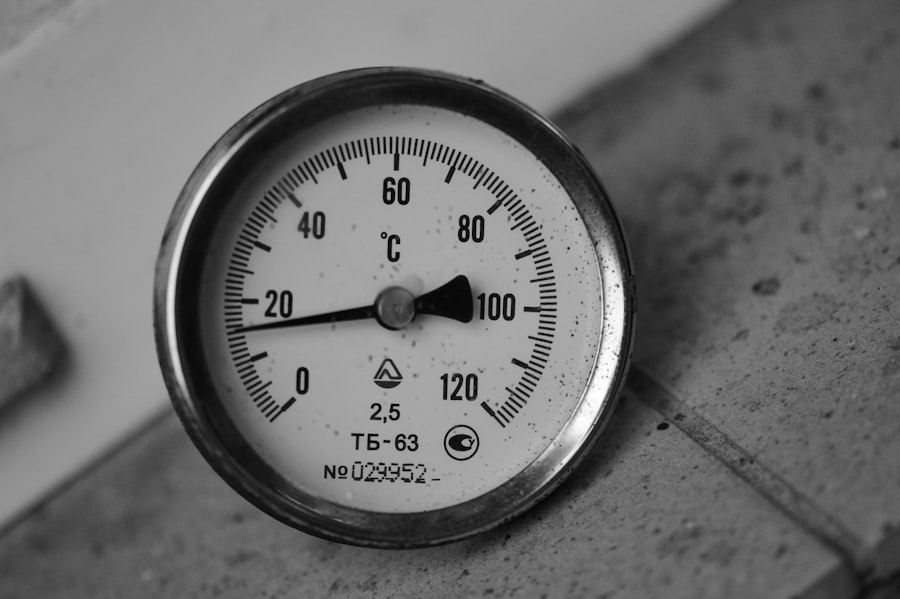
Negative air pressure is integral to effective containment services during emergencies. When hazardous materials are involved, it is essential to prevent their escape into the surrounding environment. By creating a negative pressure zone, you can ensure that any airborne contaminants are drawn into a controlled area rather than dispersing into the atmosphere.
This is particularly important in situations involving biological agents or toxic chemicals, where even small amounts can pose significant risks. In practice, negative air pressure systems are often used in conjunction with containment barriers and filtration systems.
This setup not only protects responders but also minimizes the risk of cross-contamination with other areas. By leveraging negative air pressure effectively, you can enhance the overall safety and efficacy of containment operations during emergencies.
Benefits of Emergency Negative Air Pressure & Containment Services
The benefits of implementing emergency negative air pressure and containment services are manifold. First and foremost, these services significantly reduce the risk of contamination spreading beyond the affected area. By maintaining a controlled environment with negative air pressure, you can effectively contain hazardous materials and protect both responders and the general public from exposure.
This is particularly crucial in urban settings where populations are dense and the potential for widespread harm is high. Moreover, emergency negative air pressure systems can facilitate quicker response times during crises. With the right equipment in place, you can establish safe zones rapidly, allowing emergency personnel to operate more efficiently.
This not only enhances the safety of responders but also improves overall incident management. Additionally, by minimizing contamination risks, you can reduce the long-term environmental impact of an incident, leading to faster recovery times for affected communities. Understanding these benefits empowers you to advocate for robust emergency preparedness measures that incorporate negative air pressure and containment strategies.
Choosing the Right Emergency Negative Air Pressure & Containment Service Provider
Selecting an appropriate emergency negative air pressure and containment service provider is critical for effective incident management. When evaluating potential providers, consider their experience and expertise in handling various types of emergencies. You should look for companies that have a proven track record in deploying negative air pressure systems and containment strategies across different scenarios.
Their knowledge will be invaluable in ensuring that your specific needs are met during an emergency. Additionally, assess the range of services offered by potential providers. A comprehensive service provider should not only have the necessary equipment but also offer training and support for your team.
This ensures that everyone involved understands how to operate negative air pressure systems effectively and can respond appropriately during emergencies. By taking the time to choose the right provider, you can enhance your organization’s preparedness and response capabilities significantly.
The Process of Establishing Negative Air Pressure in Emergency Situations

Establishing negative air pressure during an emergency involves several key steps that require careful planning and execution. Initially, you must assess the situation to determine the appropriate level of containment needed based on the type of hazard present. Once this assessment is complete, you can begin setting up your negative air pressure system by deploying specialized equipment such as HEPA filters and exhaust fans.
After installing the necessary equipment, it’s essential to monitor air pressure levels continuously to ensure that they remain within safe parameters. This monitoring allows you to make real-time adjustments as needed to maintain effective containment. Additionally, communication among team members is vital during this process; everyone must be aware of their roles and responsibilities to ensure a coordinated response.
By following these steps diligently, you can establish a secure negative air pressure environment that effectively contains hazardous materials during emergencies.
Containment Strategies for Different Emergency Scenarios
Different emergency scenarios require tailored containment strategies to ensure effective management and safety. For instance, in the case of a chemical spill, your approach may involve deploying absorbent materials and physical barriers to contain the spill while simultaneously establishing a negative air pressure zone to prevent airborne contaminants from spreading. This dual approach not only addresses immediate hazards but also mitigates long-term risks associated with chemical exposure.
Conversely, biological threats may necessitate more stringent containment measures. In such cases, you might need to set up isolation units equipped with negative air pressure systems to protect both responders and the public from potential exposure to pathogens. These units should be designed with appropriate filtration systems to capture airborne particles effectively.
By understanding the unique requirements of each scenario, you can develop comprehensive containment strategies that prioritize safety and minimize risks.
Regulations and Standards for Emergency Negative Air Pressure & Containment Services
Navigating regulations and standards related to emergency negative air pressure and containment services is essential for compliance and safety. Various organizations set forth guidelines that dictate how these services should be implemented during emergencies. Familiarizing yourself with these regulations ensures that your operations align with best practices and legal requirements.
For example, agencies such as the Occupational Safety and Health Administration (OSHA) provide standards for workplace safety that include guidelines for handling hazardous materials and establishing safe environments during emergencies. Additionally, local health departments may have specific regulations regarding biological hazards that must be adhered to during containment efforts. By staying informed about these regulations, you can enhance your organization’s credibility while ensuring that your emergency response efforts are both effective and compliant.
Case Studies: Successful Implementation of Emergency Negative Air Pressure & Containment Services in Beaverton, Oregon
Examining case studies of successful implementations of emergency negative air pressure and containment services can provide valuable insights into best practices and effective strategies. In Beaverton, Oregon, several incidents have highlighted the importance of these services in managing emergencies effectively. For instance, during a recent chemical spill at a local manufacturing facility, responders quickly established a negative air pressure zone around the affected area using portable filtration units.
This swift action not only contained the spill but also prevented harmful vapors from dispersing into nearby neighborhoods. The collaboration between local emergency services and specialized containment providers was instrumental in ensuring a successful outcome. By analyzing such case studies, you can glean lessons learned that may inform your own emergency preparedness plans and enhance your organization’s response capabilities.
Training and Certification for Emergency Negative Air Pressure & Containment Service Providers
Training and certification are critical components for ensuring that emergency negative air pressure and containment service providers are equipped with the necessary skills and knowledge to operate effectively during crises. You should prioritize working with providers who invest in ongoing training programs for their personnel, as this ensures they remain up-to-date with industry standards and best practices. Certification programs often cover essential topics such as equipment operation, safety protocols, and regulatory compliance.
By choosing providers with certified personnel, you can have greater confidence in their ability to manage emergencies effectively while adhering to safety guidelines. Furthermore, investing in training for your own team can enhance your organization’s overall preparedness and response capabilities during emergencies.
Future Trends in Emergency Negative Air Pressure & Containment Services
As technology continues to evolve, so too do the methods employed in emergency negative air pressure and containment services. One emerging trend is the integration of advanced monitoring systems that utilize real-time data analytics to optimize containment efforts during emergencies. These systems can provide instant feedback on air quality levels and pressure differentials, allowing responders to make informed decisions quickly.
As environmental concerns become increasingly prominent, many organizations are exploring eco-friendly alternatives for containment materials and methods that minimize ecological impact while maintaining effectiveness. By staying abreast of these trends, you can position yourself at the forefront of emergency management practices that prioritize both safety and environmental responsibility.
In conclusion, understanding negative air pressure and its role in containment services is essential for effective emergency management. By recognizing its importance in various scenarios and choosing qualified service providers who adhere to regulations while investing in training, you can enhance your organization’s preparedness for emergencies while ensuring public safety remains paramount.
FAQs
What is emergency negative air pressure?
Emergency negative air pressure is a technique used to create a controlled environment by removing air from a space, preventing the spread of contaminants to other areas.
What are containment services?
Containment services involve the use of barriers and other measures to prevent the spread of contaminants, such as mold or asbestos, during remediation or construction projects.
Why are emergency negative air pressure and containment services important?
These services are important for maintaining a safe and healthy environment during emergency situations, construction projects, or remediation efforts by preventing the spread of contaminants to other areas.
Where can I find emergency negative air pressure and containment services in Beaverton, Oregon?
There are several companies in Beaverton, Oregon that offer emergency negative air pressure and containment services. It is important to research and choose a reputable and experienced company for these services.
Leave a Reply
You must be logged in to post a comment.
