

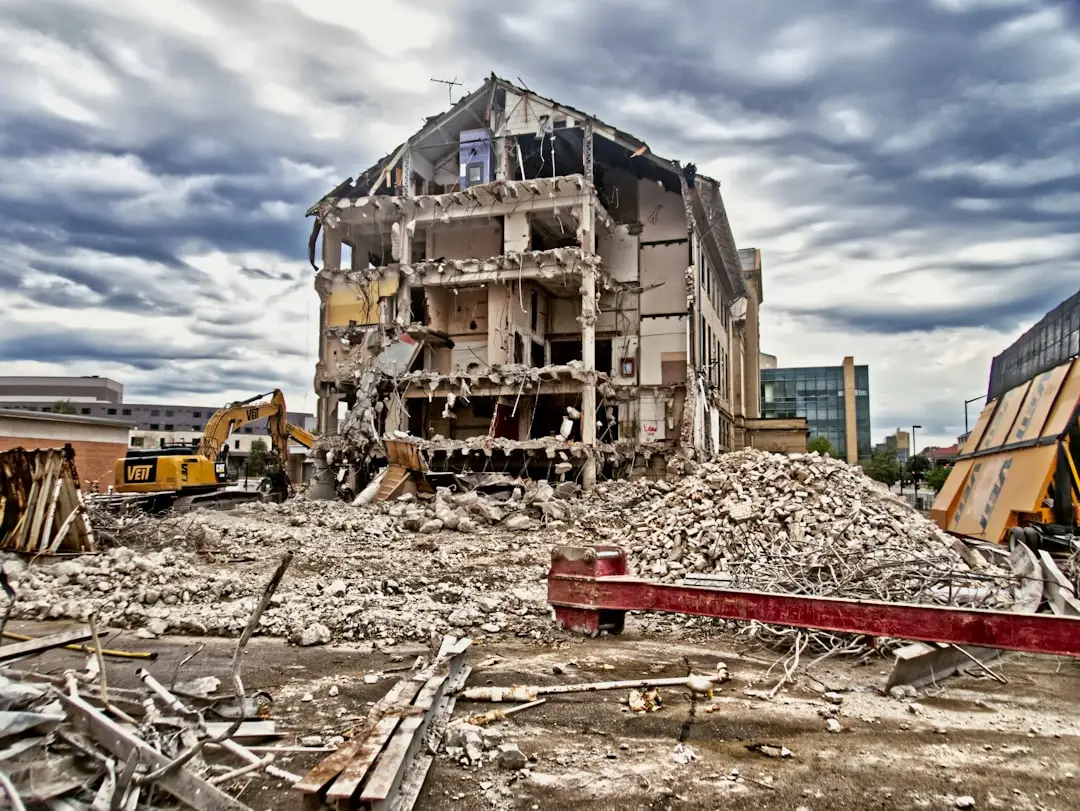
When you consider the environmental implications of demolition in Portland, Oregon, it becomes clear that the consequences extend far beyond the immediate physical destruction of buildings.
This not only contributes to the growing problem of waste management but also leads to increased greenhouse gas emissions.
As you walk through the city, you may notice that many neighborhoods are losing their character and charm due to the relentless cycle of demolition and new construction. The loss of mature trees and green spaces during these processes further exacerbates the environmental impact, reducing biodiversity and disrupting local ecosystems. Moreover, the energy consumed in demolishing buildings and constructing new ones is substantial.
This cycle of destruction and rebuilding can lead to a significant carbon footprint, which is particularly concerning in a city like Portland that prides itself on its commitment to sustainability. As you navigate through the city, it’s essential to recognize that every demolition has a ripple effect on the environment, affecting air quality, water runoff, and even local wildlife habitats.
Key Takeaways
- Demolition has a significant impact on the environment in Portland, Oregon, leading to increased waste and carbon emissions.
- Preservation of historic properties is a priority in Portland, Oregon, with efforts to protect and maintain the city’s cultural heritage.
- Demolition-free processes are cost-effective in Portland, Oregon, as they reduce waste disposal and construction costs.
- Sustainable development is crucial in Portland, Oregon, to ensure the city’s long-term environmental and economic well-being.
- Community engagement is essential in property development in Portland, Oregon, to ensure that the needs and concerns of local residents are addressed.
Preservation of Historic Properties in Portland, Oregon
Preserving historic properties in Portland is not just about maintaining the aesthetic appeal of the city; it’s about honoring its rich cultural heritage. As you explore neighborhoods like Old Town and the Pearl District, you may find that many buildings tell stories of the past, reflecting the architectural styles and social dynamics of their time. The preservation of these structures allows you to connect with the history of Portland, fostering a sense of identity and continuity within the community.
When historic properties are preserved, they serve as tangible links to the past, reminding you of the city’s evolution over time. Furthermore, preserving historic properties can have economic benefits for the community. You might be surprised to learn that well-maintained historic buildings often attract tourism and can increase property values in surrounding areas.
By investing in preservation efforts, you contribute to a vibrant local economy while ensuring that future generations can appreciate the architectural beauty and historical significance of these sites. As you engage with your community, consider advocating for policies that support preservation initiatives, recognizing that they play a crucial role in maintaining Portland’s unique character.
The Cost-Effectiveness of Demolition-Free Processes in Portland, Oregon
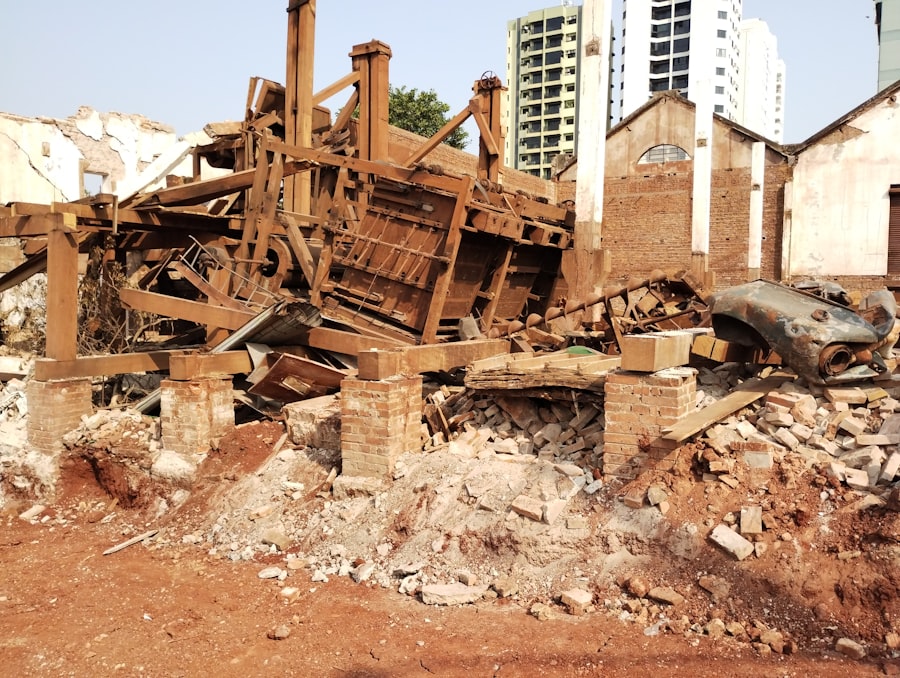
When evaluating property development options in Portland, you may find that demolition-free processes can be surprisingly cost-effective. While some may assume that tearing down an old building is the quickest way to make way for new construction, this approach often overlooks hidden costs associated with demolition. For instance, you might encounter expenses related to waste disposal, environmental remediation, and potential legal fees if hazardous materials are involved.
By opting for renovation or adaptive reuse instead, you can save money while also minimizing environmental impact. Additionally, demolition-free processes often lead to faster project timelines. You may have noticed that projects involving demolition can be delayed due to regulatory hurdles or unexpected complications during the teardown phase.
In contrast, when you choose to repurpose existing structures, you can streamline the development process and avoid many of these pitfalls. This efficiency not only saves money but also allows for quicker returns on investment, making it an attractive option for developers and investors alike.
The Importance of Sustainable Development in Portland, Oregon
Sustainable development is a cornerstone of Portland’s urban planning philosophy. As you navigate through the city, you may observe various initiatives aimed at promoting environmentally friendly practices in construction and development. Sustainable development focuses on meeting present needs without compromising the ability of future generations to meet their own needs.
This principle resonates deeply with Portlanders who value their natural surroundings and seek to protect them for years to come. Incorporating sustainable practices into property development can take many forms, from using eco-friendly materials to implementing energy-efficient systems. You might find it inspiring that many developers in Portland are now prioritizing green building certifications such as LEED (Leadership in Energy and Environmental Design).
These certifications not only enhance the environmental performance of buildings but also contribute to healthier living spaces for residents. As a member of this community, your support for sustainable development initiatives can help shape a greener future for Portland.
Community Engagement and Involvement in Property Development in Portland, Oregon
Community engagement plays a vital role in property development in Portland. As you participate in local meetings or forums, you may notice how your voice—and those of your neighbors—can influence decisions regarding new projects. Engaging with community members allows for diverse perspectives to be heard, ensuring that developments align with the needs and desires of residents.
This collaborative approach fosters a sense of ownership among community members and helps create spaces that reflect local values. Moreover, when developers actively involve the community in their projects, they often find greater success in gaining support and minimizing opposition. You might see how this engagement leads to more thoughtful designs that incorporate public input on aspects such as green spaces, accessibility, and architectural style.
By advocating for community involvement in property development processes, you contribute to a more inclusive urban landscape that prioritizes the needs of all residents.
The Benefits of Adaptive Reuse in Portland, Oregon

Adaptive reuse is an innovative approach that breathes new life into old structures while preserving their historical significance. As you explore various neighborhoods in Portland, you may come across examples where warehouses have been transformed into trendy lofts or factories have been converted into vibrant community spaces. This practice not only preserves architectural heritage but also reduces waste by minimizing the need for new materials.
You might appreciate how adaptive reuse aligns with sustainability goals by conserving resources and reducing environmental impact. Additionally, adaptive reuse can stimulate local economies by attracting businesses and residents to revitalized areas. You may find it fascinating that these projects often create unique spaces that draw people in, fostering a sense of community and encouraging social interaction.
By supporting adaptive reuse initiatives in Portland, you contribute to a dynamic urban environment that values both history and innovation.
The Role of Demolition-Free Processes in Urban Planning in Portland, Oregon
In urban planning discussions throughout Portland, demolition-free processes are increasingly recognized as essential components of sustainable development strategies. As you engage with urban planners or attend community meetings, you may hear about how these processes prioritize preservation over destruction. By focusing on renovation and adaptive reuse rather than demolition, planners can maintain the character of neighborhoods while accommodating growth and change.
Moreover, incorporating demolition-free processes into urban planning can lead to more resilient communities. You might consider how preserving existing structures allows for quicker recovery from economic downturns or natural disasters since these buildings often require less investment to maintain than new constructions. By advocating for policies that promote demolition-free approaches in urban planning, you help ensure that Portland remains a vibrant and sustainable city for generations to come.
The Legal and Regulatory Framework for Demolition-Free Processes in Portland, Oregon
Understanding the legal and regulatory framework surrounding demolition-free processes is crucial for anyone involved in property development in Portland. As you delve into this topic, you may discover various zoning laws and building codes designed to encourage preservation and adaptive reuse. These regulations often provide incentives for developers who choose to renovate existing structures rather than demolish them.
Additionally, local historic preservation ordinances play a significant role in protecting valuable properties from unnecessary demolition. You might find it interesting that these laws not only safeguard architectural heritage but also promote community engagement by allowing residents to participate in decision-making processes regarding their neighborhoods. By familiarizing yourself with these regulations, you can better navigate the complexities of property development while supporting sustainable practices.
The Economic and Social Benefits of Demolition-Free Processes in Portland, Oregon
The economic benefits of demolition-free processes extend beyond mere cost savings; they also contribute to job creation and community revitalization. As you observe various projects around Portland that prioritize renovation over demolition, you may notice how these initiatives often require skilled laborers who specialize in restoration techniques. This demand for skilled workers can stimulate local economies by providing job opportunities while preserving traditional craftsmanship.
Socially, demolition-free processes foster a sense of belonging among residents by maintaining neighborhood character and history. You might appreciate how these efforts create spaces where people feel connected to their surroundings and each other. By supporting demolition-free initiatives in your community, you contribute to a more cohesive social fabric that values both heritage and progress.
The Role of Technology in Demolition-Free Processes in Portland, Oregon
Technology plays an increasingly vital role in facilitating demolition-free processes within Portland’s property development landscape. As you explore innovative construction methods or materials being used today, you may find that advancements such as 3D modeling software allow architects and developers to visualize potential renovations before any physical work begins. This technology enables more efficient planning while minimizing waste associated with trial-and-error approaches.
Moreover, sustainable building technologies—such as energy-efficient systems or eco-friendly materials—are becoming more accessible for developers interested in adaptive reuse projects. You might be intrigued by how these innovations not only enhance building performance but also align with Portland’s commitment to sustainability. By embracing technology within demolition-free processes, you help pave the way for a more efficient and environmentally conscious future.
Case Studies of Successful Demolition-Free Property Development in Portland, Oregon
Examining case studies of successful demolition-free property developments can provide valuable insights into best practices within Portland’s unique context. As you investigate projects like the conversion of historic warehouses into mixed-use developments or the transformation of old schools into community centers, you may discover innovative approaches that prioritize preservation while meeting modern needs. These case studies often highlight collaboration between developers, architects, and community members—demonstrating how effective communication can lead to successful outcomes that benefit everyone involved.
By learning from these examples, you can better understand how demolition-free processes can be effectively implemented within your own community initiatives or property development endeavors. In conclusion, as you reflect on the various aspects surrounding demolition-free processes in Portland, it becomes evident that these approaches offer numerous benefits—environmentally, economically, socially—and contribute significantly to preserving the city’s unique character while promoting sustainable growth. Your engagement with these issues can help shape a brighter future for Portland as it continues to evolve while honoring its rich history.
FAQs
What is a demolition-free process for properties in Portland, Oregon?
A demolition-free process for properties in Portland, Oregon refers to the renovation or redevelopment of a property without the need for complete or partial demolition of existing structures.
Why is a demolition-free process essential for properties in Portland, Oregon?
A demolition-free process is essential for properties in Portland, Oregon to preserve the city’s historic and architectural heritage, reduce waste and environmental impact, and maintain the character of neighborhoods.
What are the benefits of a demolition-free process for properties in Portland, Oregon?
The benefits of a demolition-free process for properties in Portland, Oregon include cost savings, preservation of historic buildings, reduced environmental impact, and the ability to maintain the unique character of the city’s neighborhoods.
How can property owners in Portland, Oregon implement a demolition-free process?
Property owners in Portland, Oregon can implement a demolition-free process by working with experienced architects, engineers, and contractors who specialize in renovation and redevelopment projects that minimize or eliminate the need for demolition. They can also explore options for adaptive reuse and sustainable building practices.
Leave a Reply
You must be logged in to post a comment.
